Job Satisfaction Hits a Record Low. Is It a Warning?
Job satisfaction in Britain has hit a record low of 74%. Evidence links it to quits and firm performance, but its value as an economic warning is less clear.

Money may make the world go round, but how will it work in the future? We look at everything from rewriting economic rules to the rise of crypto.

Job satisfaction in Britain has hit a record low of 74%. Evidence links it to quits and firm performance, but its value as an economic warning is less clear.

The World Bank sees oil demand falling 2.5% in 2026, the third-largest drop on record, as metals used in renewables, EVs and data centres hit records.

HMRC tax debt stands at £43.8bn, a third of last year's borrowing. Nearly half may never be paid, as the Budget weighs new powers over bank accounts.

Meta seeks up to $97.5bn in new shares as its cash flow turns negative, the Anthropic IPO filing shows $16.3bn revenue and Microsoft offers 60,000 exits.

An IEA report for the G7 finds grid queues exceed peak demand in Texas, Virginia, Finland and the UK, as homes and factories compete with data centres.

A commission says Norway's $2.3tn sovereign wealth fund should be free to own US, UK and French nuclear arms makers. Its ethics watchdog would lose power.
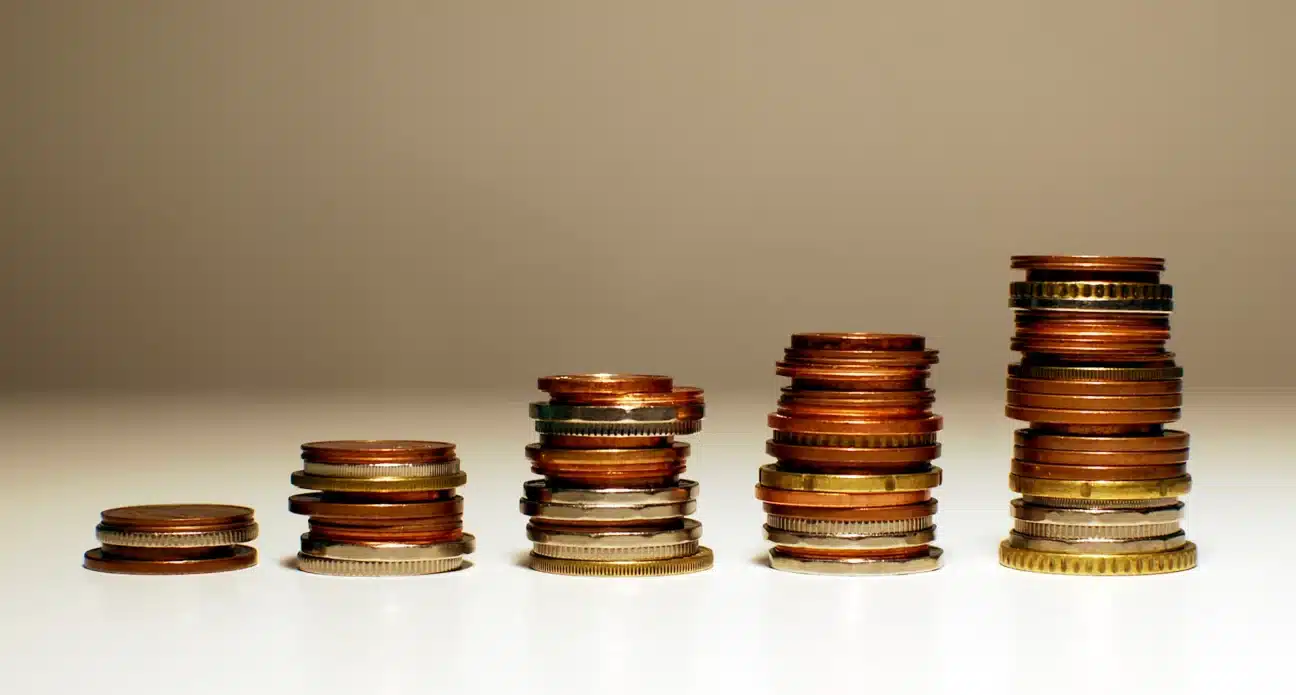
Pew puts the US wealth gap at 49 to 1. Europe's is narrower, Britain's is driven by property and pensions, and Brazil now taxes top earners harder.
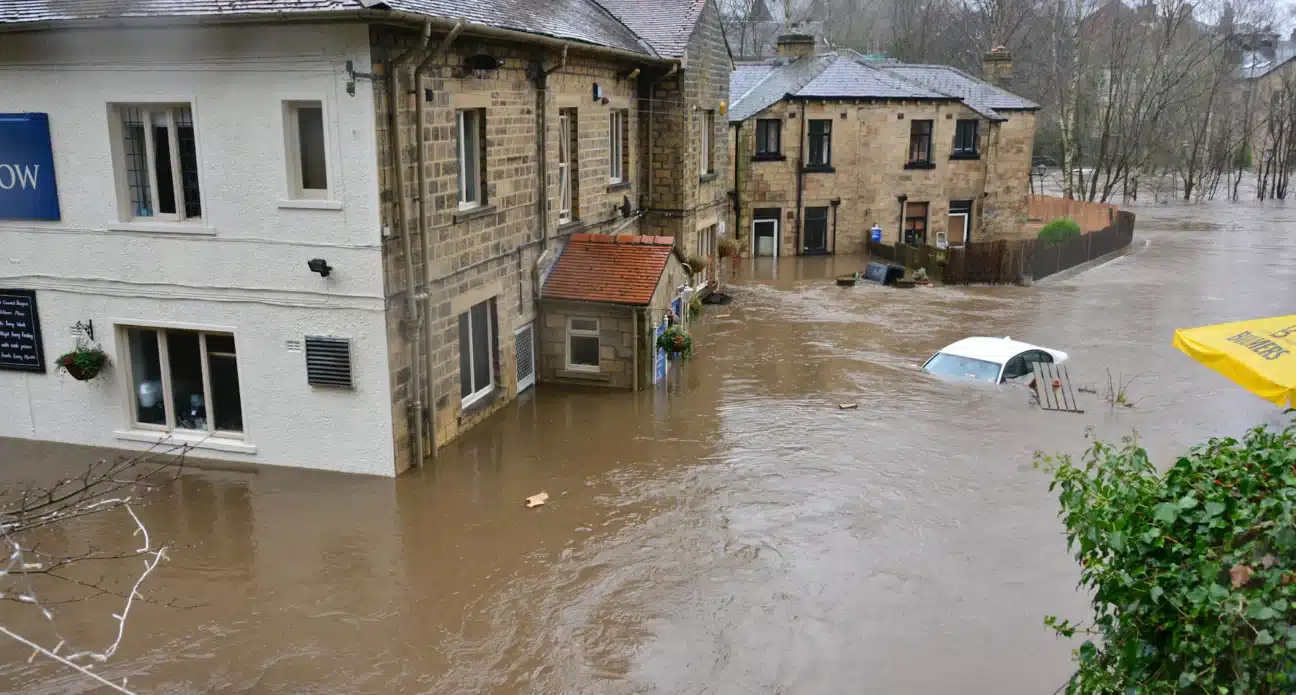
Insurance insiders say modellers face pressure to cut climate risk forecasts, and warn withdrawn cover could hit mortgage markets as sub-prime did.
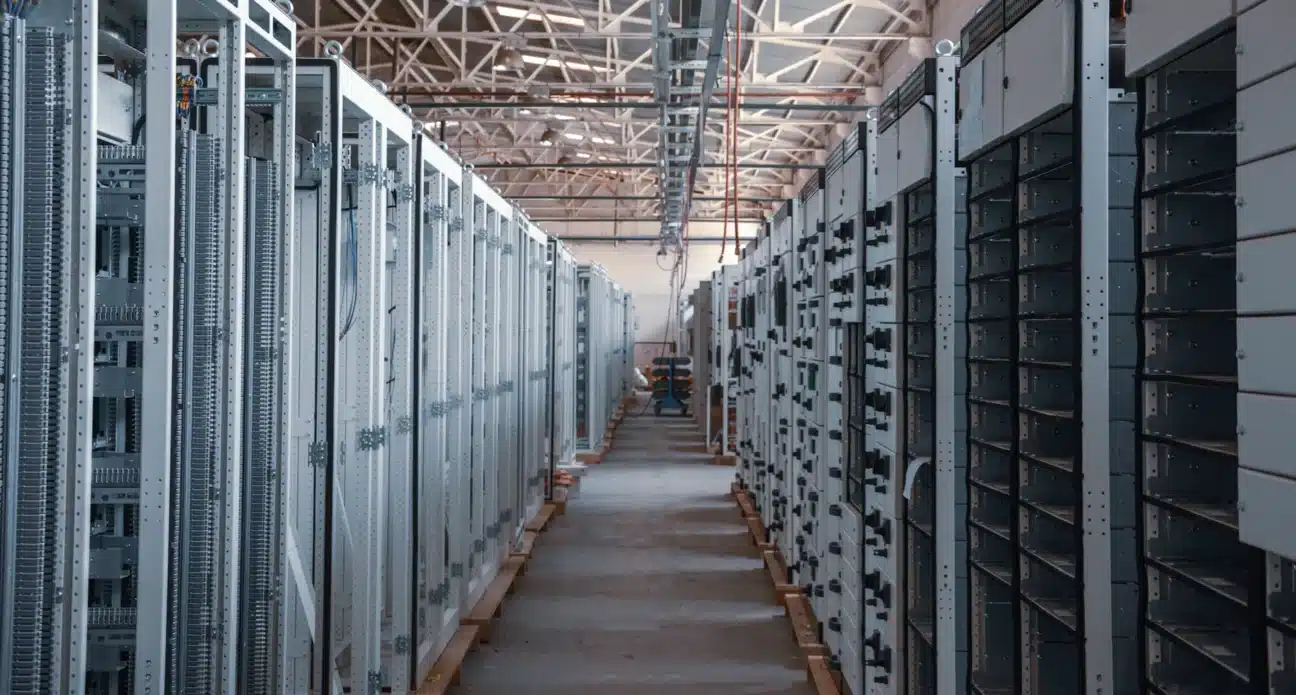
The IMF lifted its world growth forecast to 3.1% as AI investment offsets the oil shock. Just 32 countries now supply 95% of global growth.

Every new Mastercard in Europe must support offline card payments from 2027, as central banks and regulators prepare for blackouts and IT outages.
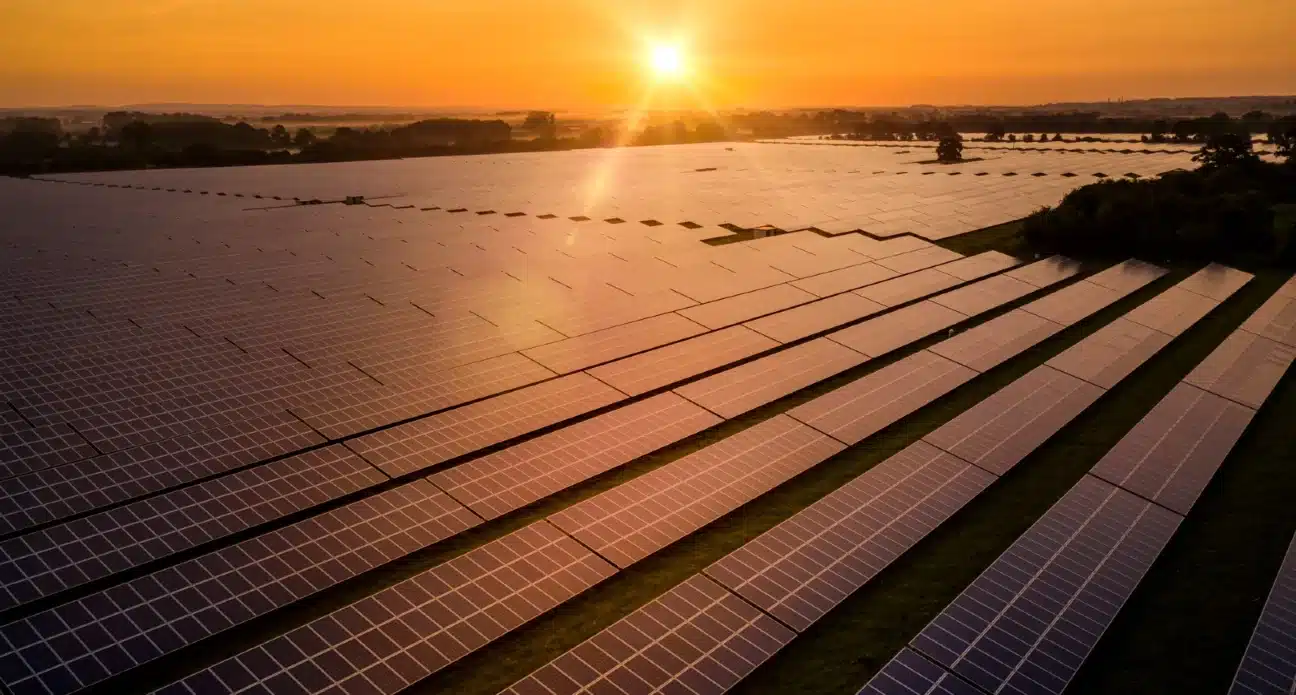
The Conservatives' Right Way booklet puts the cost of net zero at £957bn. The CCC's 2020 figures total £478bn, and its latest estimate is £108bn.
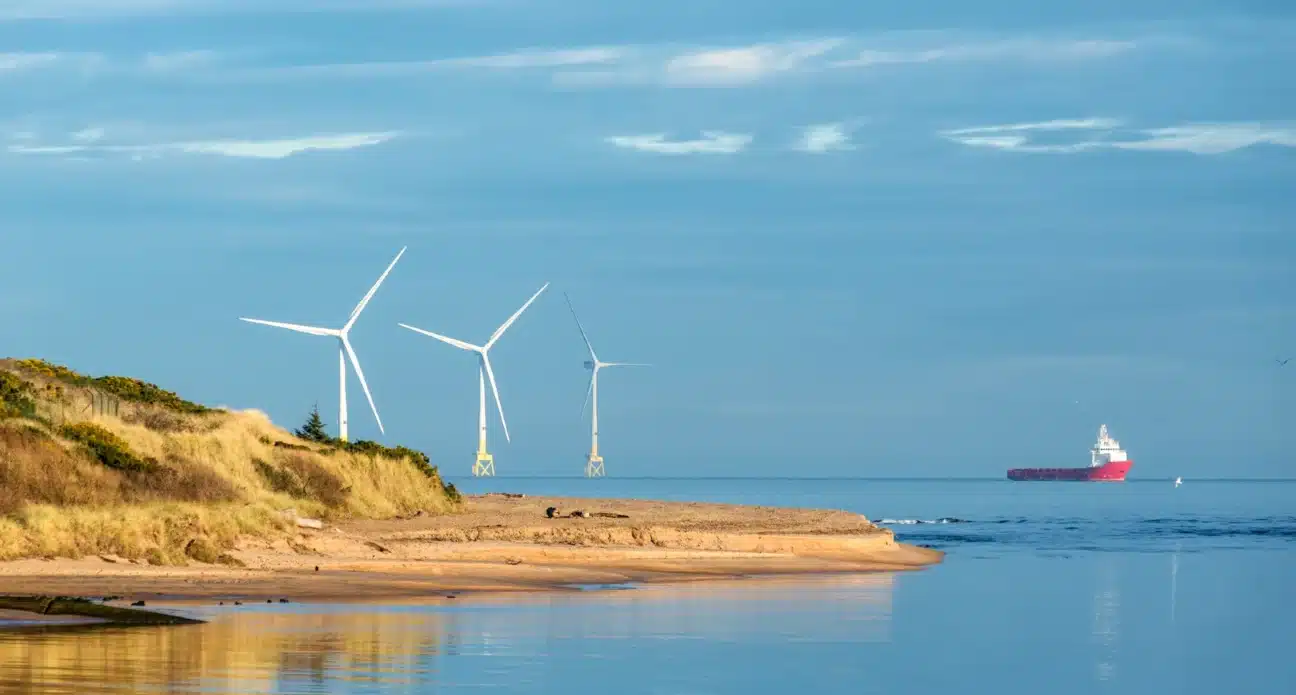
Wind and solar saved the UK £5.9bn in gas imports in the Hormuz crisis. The evidence on bills and security favours building clean power over drilling.

Banks provided $467bn in coal financing from 2022 to 2025, Urgewald finds. Lending fell by half or more where banks adopted coal policies.

Brazil shuts its licensed online betting market on 6 October. India has banned it and Britain and Australia have tightened rules. Is time up?

Since 27 September, EU law bans carbon neutral claims based on offsets. Almost a third of big firms tracked still allow credits.
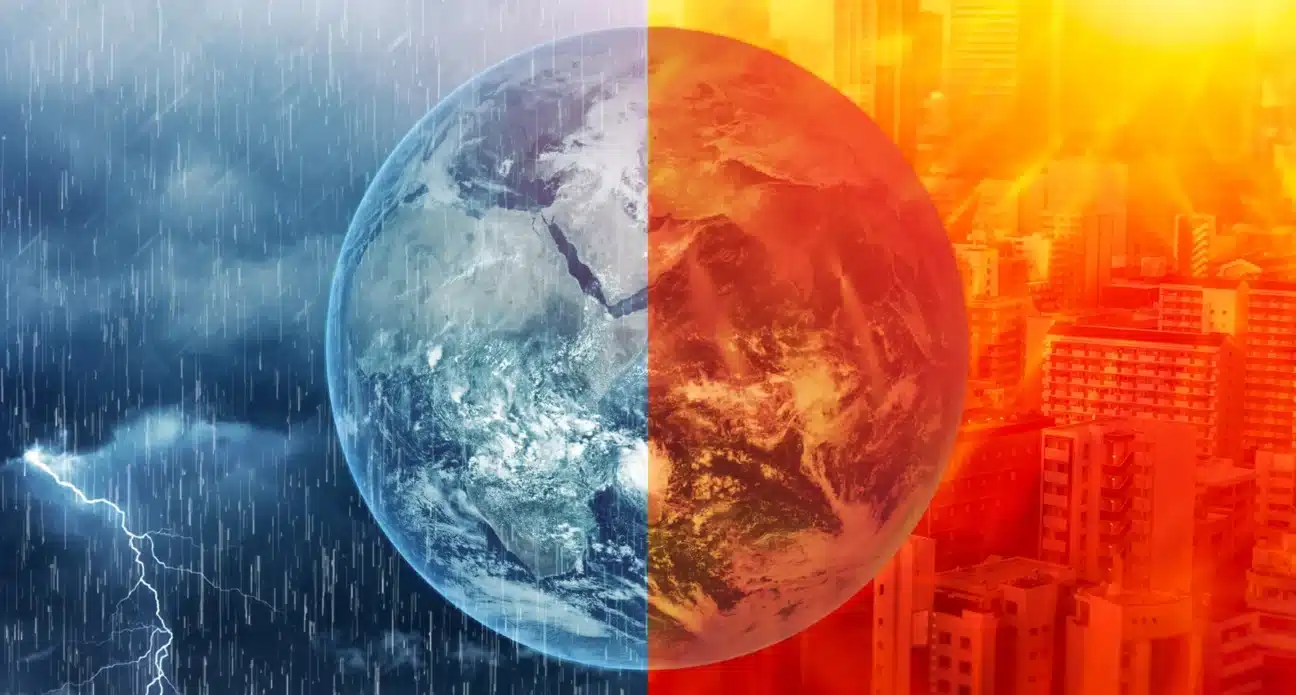
El Niño winners and losers in 2026: a projected 451,000 heat deaths, a record lull in Atlantic hurricanes and better harvest prospects for Argentina.
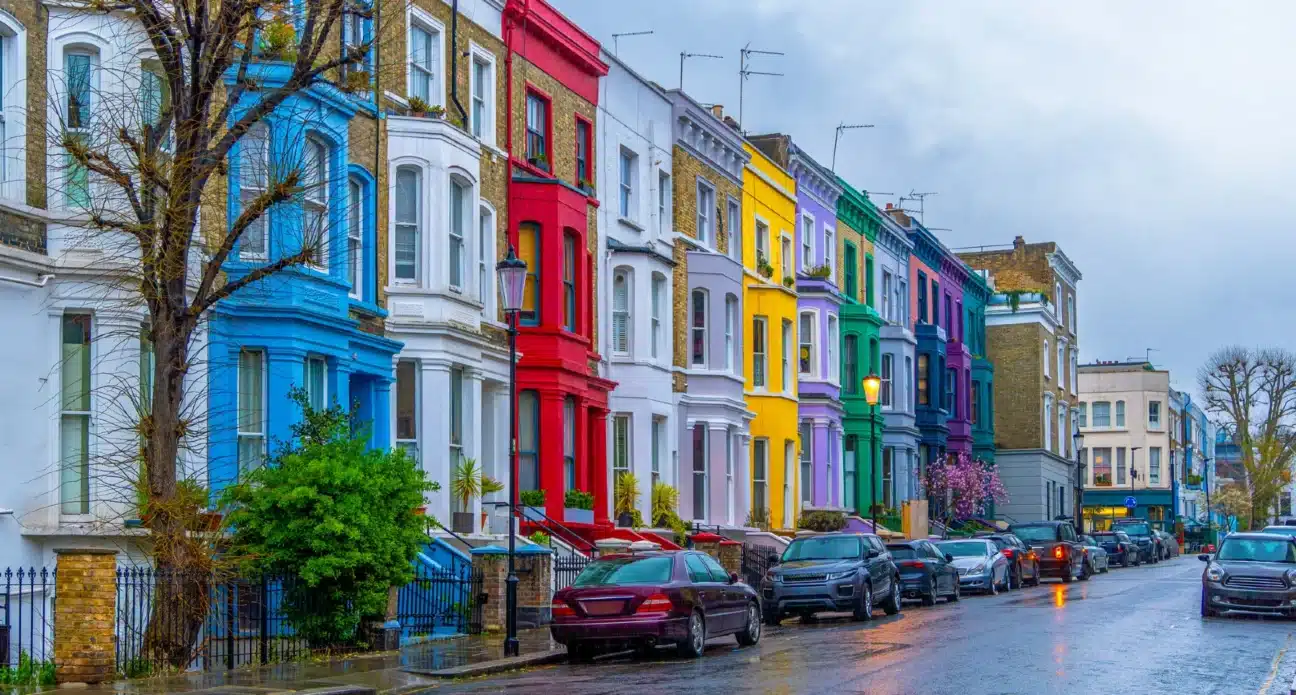
The Resolution Foundation wants England to swap council tax and stamp duty for a single 0.7% levy on home values. A mansion tax is already on the way, and other countries show how differently homes can be taxed.

Germany cut fuel tax before a vote and lost. Trump promises $5,000. What pre-election handouts cost, and whether they win votes.

Global fossil fuel emissions are on course to decline this year for the first time outside a recession or a pandemic. The cause is a Gulf conflict that has destroyed oil demand, rather than the effect of climate policy.
The World Bank Group mobilised a record $112 billion in private capital during its 2026 fiscal year. The lender says more of that money now reaches lower-income economies and job-rich sectors.