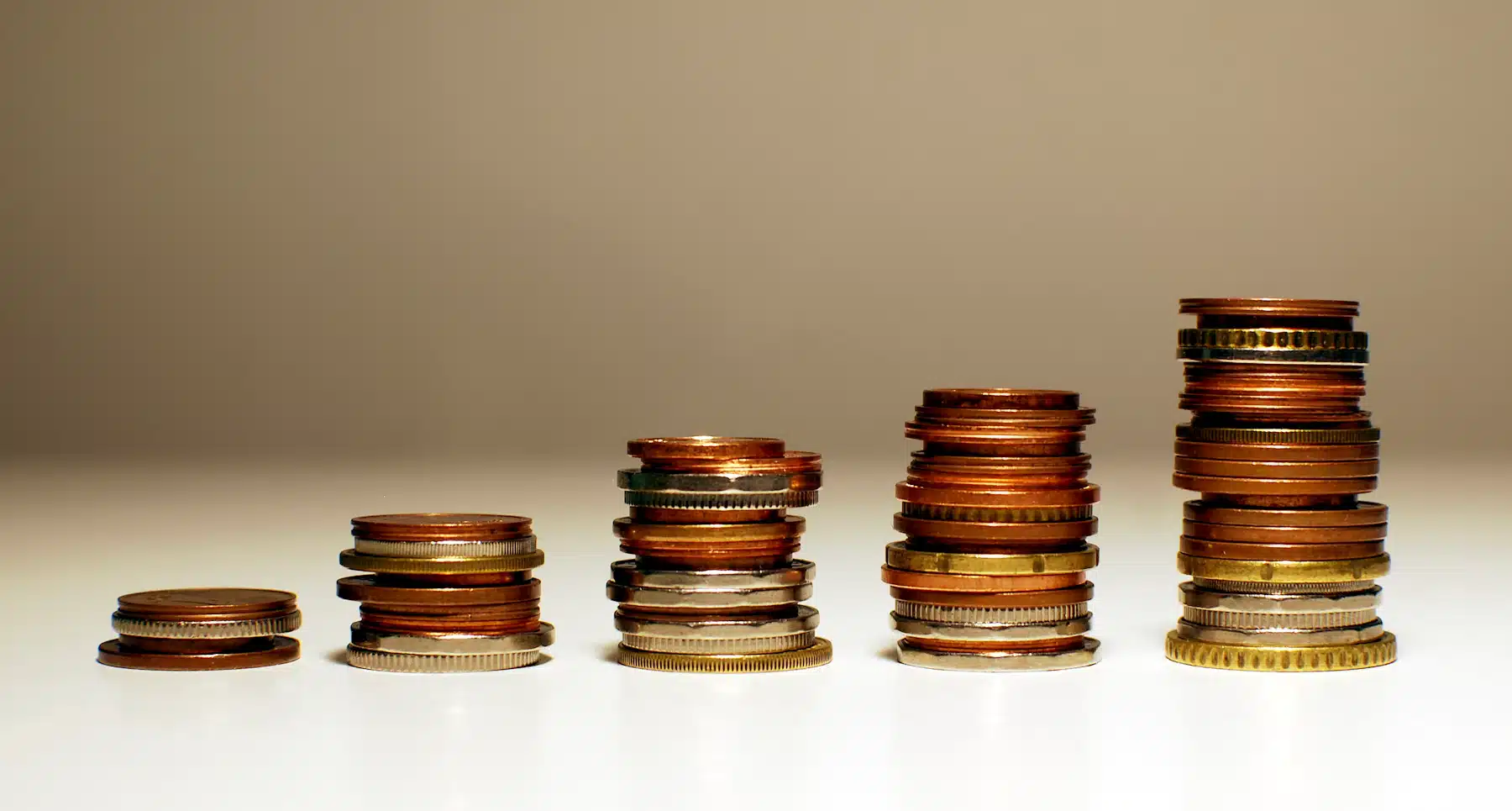
Upper-income US households held 49 times the wealth of lower-income ones in 2022, Pew finds. More Americans now want the system rebuilt, and Europe and Brazil show how differently other democracies respond.
Upper-income American households held a median of 49 times the wealth of lower-income households in 2022. In 2001 the figure was 31. The Pew Research Center analysis, published on 14 October, finds the income gap moved far less over the same period.
Pew also surveyed 5,166 adults in late August. Among those who say there’s too much inequality, 24% now want the economic system completely rebuilt. In 2019, 14% said so. Fewer people think minor changes will do.
Pew notes that the US wealth gap was wider in 2016 than in 2022, so the trend isn’t a straight line. Federal Reserve figures for 2025, published on 9 October, don’t yet appear in Pew’s ratio. They show the typical family’s net worth up 2% in real terms since 2022. The average, which the richest families pull upwards, rose 7%.
A shared worry, with different explanations
Among Republicans who see too much inequality, 54% now give Washington a lot of responsibility for reducing it. In 2019 the figure was 44%. The two parties still disagree on why the gap exists. Most of those Republicans blame people’s life choices, while Democrats point to the tax system and weak corporate regulation.
“Democrats think it’s structural. Republicans think it’s individual,” Todd Belt, professor of political management at George Washington University, told The National News Desk. Hope of reform is thin on both sides. Only about one in ten of those who want major change feel confident it can happen.
Europe’s gap is narrower, though still wide
The World Inequality Lab’s 2026 report puts the richest tenth’s share of wealth at about 60% in Europe. In North America and Oceania it’s 65% to 70%. Europe’s poorer half holds 3% of the wealth, three times the share held by the poorer half in North America and Oceania.
The Resolution Foundation measured Britain’s gap in working years last October. A typical worker would need 52 years of earnings to climb from the middle of the wealth distribution to the top. In 2006-08 it would have taken 38.
Molly Broome, senior economist at the foundation, pointed to homes and pensions. “Rising house prices and changes in the value of pension promises account for most of the growth in wealth gaps,” she said. She also warned that “we need to be honest that higher wealth taxes are likely to fall on pensioners, Southern homeowners or their families”. The same trade-off runs through England’s argument over property tax.
France stalled while Brazil legislated
France’s National Assembly rejected a 2% minimum tax on fortunes above €100m on 31 October 2025. The vote was 228 to 172. The proposal carried the name of the economist Gabriel Zucman, and Prime Minister Sébastien Lecornu had dismissed the idea of a “miracle tax”.
Brazil’s president, Luiz Inácio Lula da Silva, signed a law in November 2025 pairing relief at the bottom with a floor at the top. It takes an estimated 15 million to 16 million people out of income tax. High earners face a minimum rate of up to 10%, which mainly affects dividends and business profits. “A little money in the hands of many means a distribution of wealth,” Lula said.
A question for democracy as well as economics
A G20 committee chaired by the Nobel laureate Joseph Stiglitz looked at what inequality does to politics. Its report last November found that highly unequal countries are seven times more likely to suffer democratic decline than more equal ones. “The world understands that we have a climate emergency; it’s time we recognize that we face an inequality emergency too,” Stiglitz said.
Brazil paired a minimum tax on top incomes with a tax cut for millions of earners. France’s rejected proposal targeted large fortunes alone. American reformers will face the same choice of design if the shift in opinion reaches Congress. The Fed’s 2025 survey data will let researchers test whether the 49-to-1 gap has kept growing.
Subscribe
Sign-up to receive our newsletter