Diabetes Has Doubled Since 1990. Can Countries Reverse It?
An estimated 252 million adults have diabetes without knowing it. Diabetes has doubled since 1990, and Mexico, Singapore and India are trying to slow it.

A selection of some of our most recent stories.

An estimated 252 million adults have diabetes without knowing it. Diabetes has doubled since 1990, and Mexico, Singapore and India are trying to slow it.
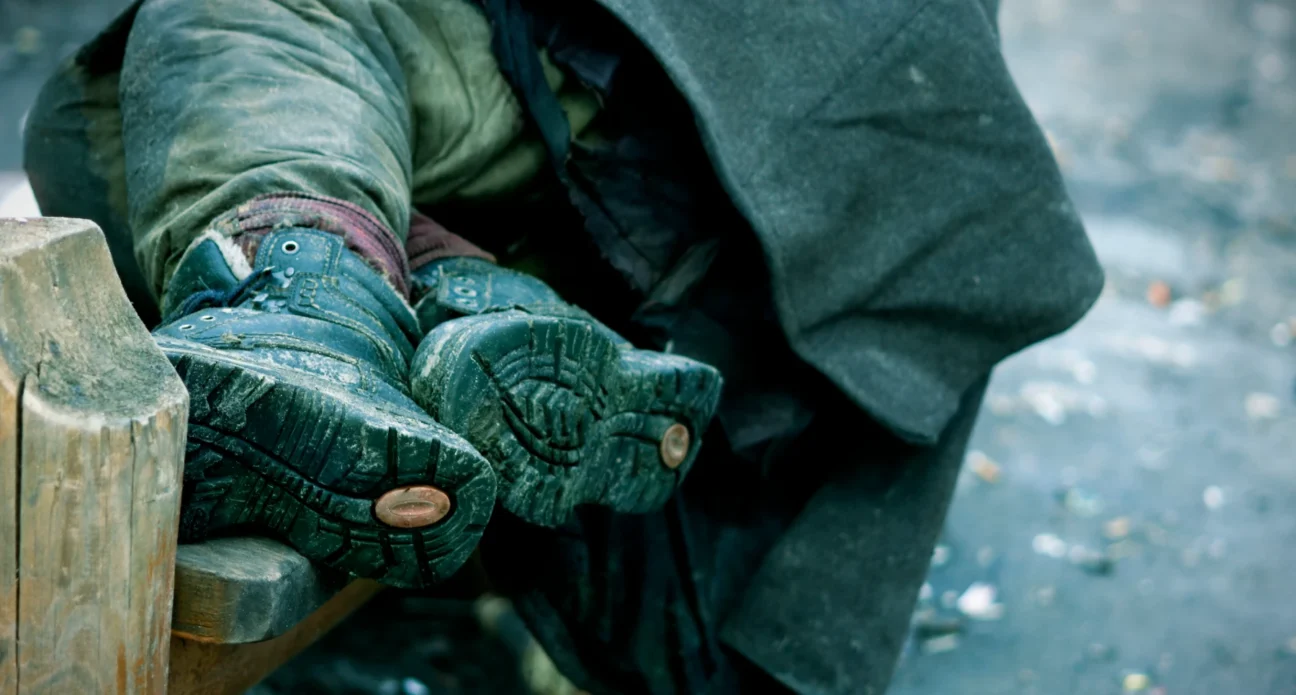
US homelessness fell 6.3% as rents flattened, while Spain's housing strike and England's record temporary accommodation show the reverse.

The Happy Passports Index 2026 puts Finland first. Passport power has almost doubled since 2006, while the UK, US and EU curb migration.

A smart city uses data and AI to run services. A new UN toolbox sets rules to keep residents in charge, drawing on Helsinki, eThekwini and Rotterdam.
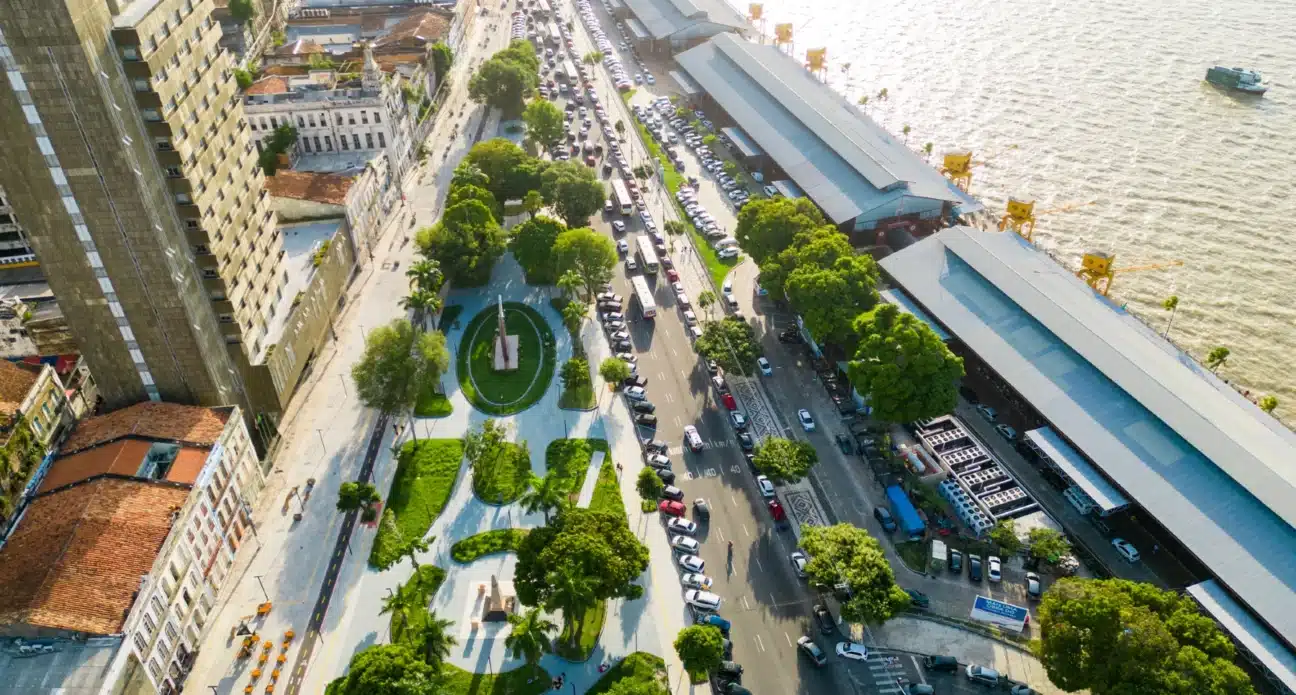
One year after COP30, Brazilian cities have 200 electric buses on order. What COP summits leave their hosts, from Paris to Baku, as COP31 opens in Antalya.

Women chair 30.9% of firms in an ILO survey, yet the pay gap has narrowed two points and firms are cutting equal pay work.

Job satisfaction in Britain has hit a record low of 74%. Evidence links it to quits and firm performance, but its value as an economic warning is less clear.

The World Bank sees oil demand falling 2.5% in 2026, the third-largest drop on record, as metals used in renewables, EVs and data centres hit records.

New York will ban AI chatbots from flattering children from 2027. Psychologists and anthropologists explain what constant praise can do to young people.
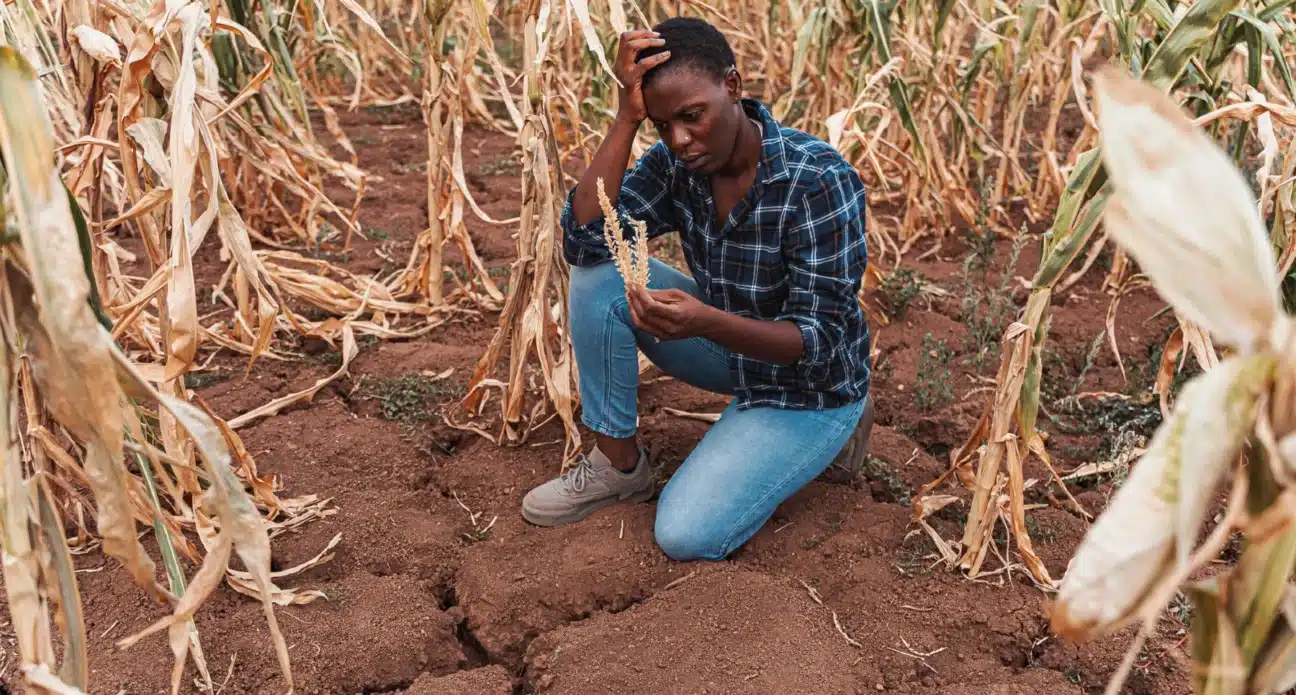
A UN tally of 154 countries' climate pledges projects a 6% emissions cut on 2019 levels by 2035, half last year's estimate. Holding 1.5C needs 60%.

Delaware's draft law would let companies be run by AI agents. A House inquiry asks who pays for harm, as Argentina's similar bill stalls.

HMRC tax debt stands at £43.8bn, a third of last year's borrowing. Nearly half may never be paid, as the Budget weighs new powers over bank accounts.

Meta seeks up to $97.5bn in new shares as its cash flow turns negative, the Anthropic IPO filing shows $16.3bn revenue and Microsoft offers 60,000 exits.

Brazil and Serbia reject the right as Lula wins and Vučić concedes. In France, Marine Le Pen polls about 35% ahead of the 2027 election.
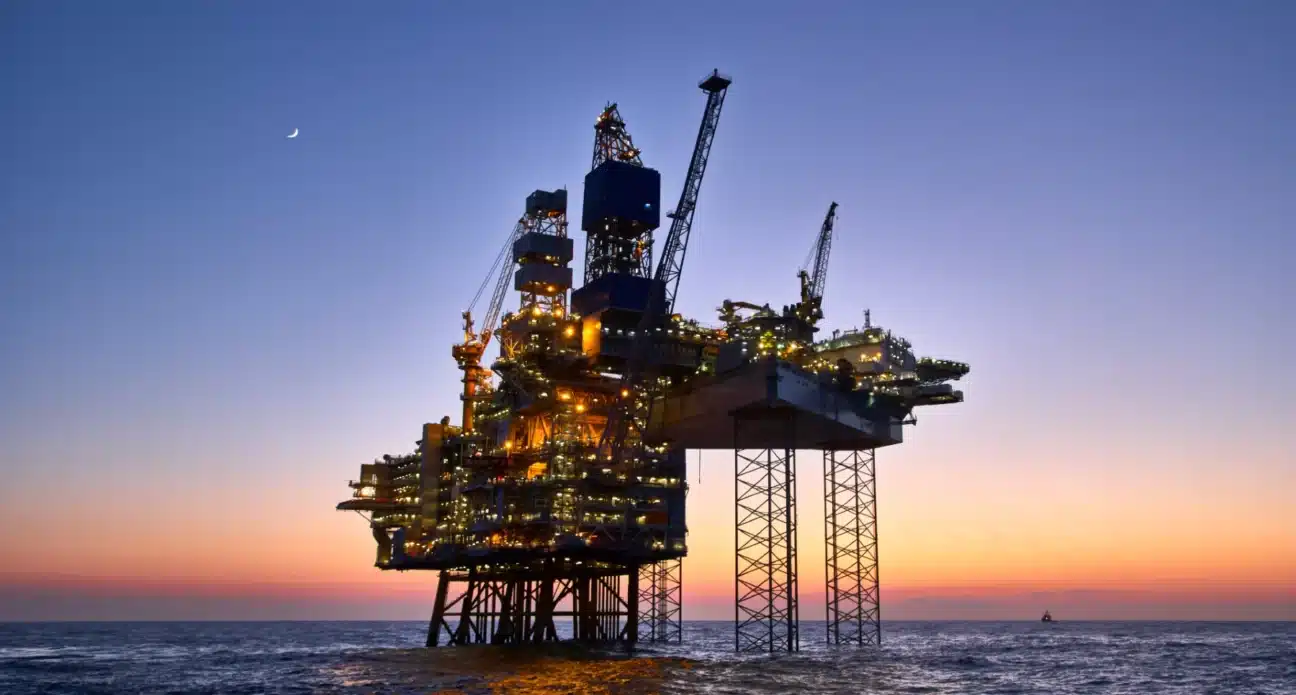
The UK approved Jackdaw gas after weighing 36.6m tonnes of emissions. Rosebank oil, mostly for export, is a harder call, as Norway, Brazil and Australia show.

An estimated 50,000 heat deaths hit Europe's cities this summer. Barcelona's 500 shelters and Italy's work bans show how cities are adapting.

The Alberta referendum rejected a path out of Canada by about 76% to 24%. Voters backed eight of nine other questions, from citizenship checks to judges.

One ordinary day's privacy small print would take a UK family 83 hours to read, Web3 Foundation finds, as regulators rethink consent.

An IEA report for the G7 finds grid queues exceed peak demand in Texas, Virginia, Finland and the UK, as homes and factories compete with data centres.

A commission says Norway's $2.3tn sovereign wealth fund should be free to own US, UK and French nuclear arms makers. Its ethics watchdog would lose power.