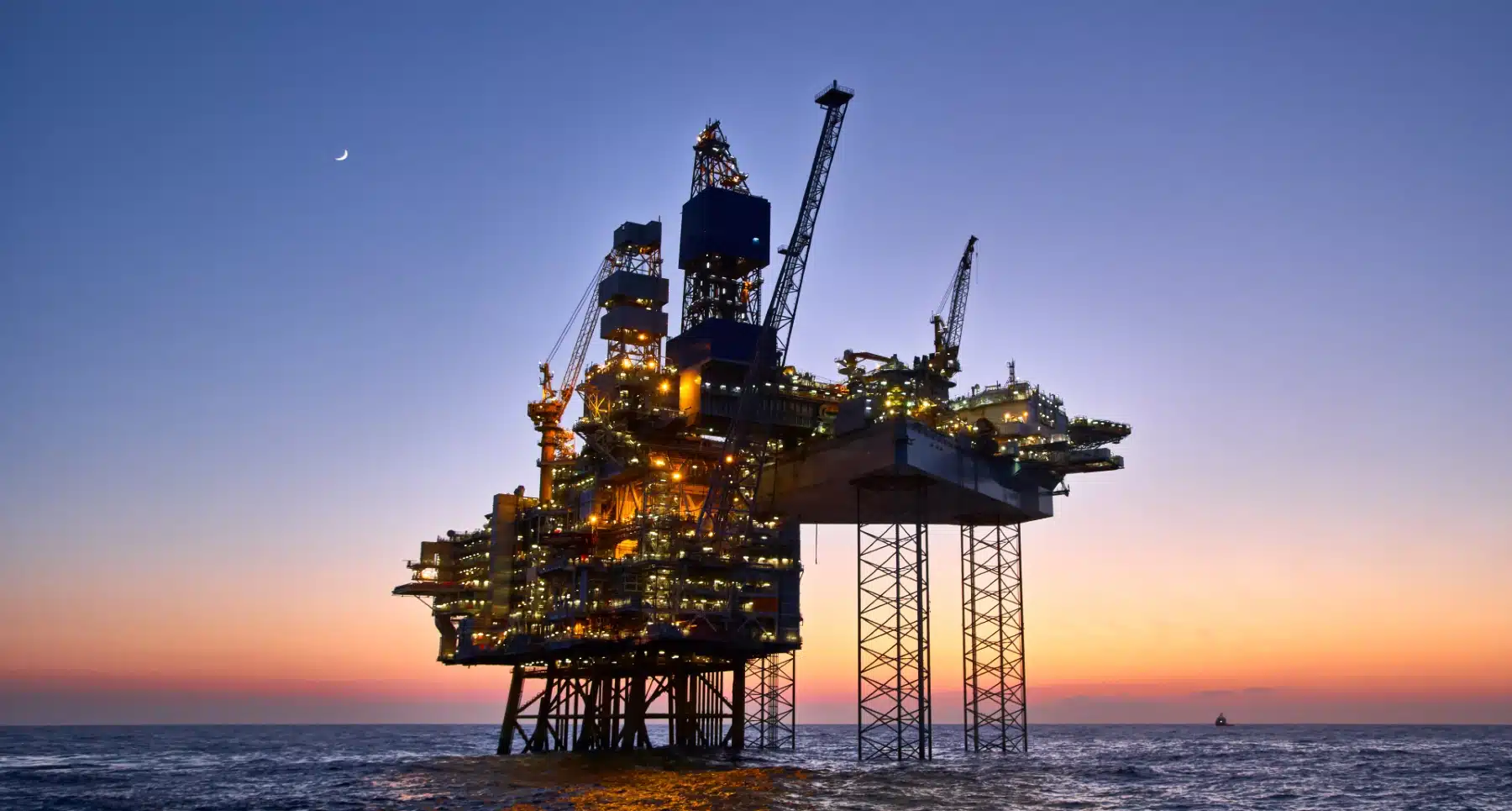
The UK has approved the Jackdaw gasfield after weighing 36.6m tonnes of emissions against security of supply. Rosebank, a bigger oilfield mainly for export, is a harder call, and Norway, Brazil and Australia face the same trade-off.
Gas from the Jackdaw gas field in the North Sea could reach British homes by the end of October. On 21 October, energy secretary Miatta Fahnbulleh agreed that the regulator could grant consent for the Shell and Equinor project. The government expects it to lift domestic gas output by about 6% at its peak. The field should run for up to 11 years.
Jackdaw was first approved in May 2022. However, in January 2025 Scotland’s Court of Session ruled that consent unlawful, along with Rosebank’s. Neither review had counted the emissions from burning the fuel, as the Supreme Court’s Finch ruling of June 2024 requires. The new decision document now puts Jackdaw’s emissions at about 36.6m tonnes of CO2 equivalent. Burning the gas accounts for 30.5m tonnes of that.
So Jackdaw is an early test of how ministers weigh those downstream emissions against energy security. Rosebank, the UK’s largest undeveloped oil and gas field, comes next. Meanwhile, the same argument is running in Oslo, Brasília and Canberra.
How Fahnbulleh weighed Jackdaw
In the decision document, Fahnbulleh found the climate effects significant and gave them “moderate adverse weight”. She gave significant positive weight to security of supply, because North Sea output is falling. Jobs and other economic gains got moderate weight. She also judged that the project wouldn’t stop the UK meeting its carbon budgets or net zero by 2050.
Between 2021 and 2025, the UK continental shelf supplied 42% of Britain’s gas on average, according to government figures. Norway supplied 37%, and liquefied natural gas 20%. Wood Mackenzie, a commercial research firm, says replacing Jackdaw’s gas with US LNG would add a net 3.5m tonnes of production emissions.
Fahnbulleh told LBC that bills were “not a consideration in the decision because it won’t mean cheaper bills”. Greenpeace said the decision showed “the toxic grip fossil fuel lobbyists still hold over our energy policy”. By contrast, Scotland secretary Douglas Alexander called it “a win for Aberdeen”.
The developer expects 27 new direct jobs and 273 jobs safeguarded. The chancellor, John Healey, also set up a £2bn Energy Wealth Fund for low-carbon projects, which North Sea tax revenues will pay for.
Why Rosebank is a harder call
Rosebank lies about 80 miles north-west of Shetland and holds roughly 300m barrels, mostly oil. The previous government approved it in 2023, and its owners have committed about $3.8bn to the first phase. Adura, the Shell and Equinor joint venture, owns 80%, while Ithaca Energy holds the rest.
Officials told the Guardian that Rosebank would emit about seven times as much carbon as Jackdaw. The paper reported on 21 October that Fahnbulleh is leaning towards rejecting it. “One is a gasfield that caters for the domestic market, while the other is an oilfield that is mainly for export,” she said. Her department called the report “speculation” and said “each project will be assessed on its own merits”.
A decision is due before the end of the year, and Fahnbulleh has said it must stand up in court. Ithaca’s chair, Yaniv Friedman, told the Financial Times that the company will probably halt further UK investment if ministers refuse Rosebank. He pointed to Ithaca’s C$1.2bn purchase of offshore assets in Canada.
However, Labour MP Afzal Khan, who chairs the all-party group on climate change, said approving projects on Rosebank’s scale “cannot be justified”. Jackdaw’s gas feeds the British market, while most of Rosebank’s oil would be sold abroad. RESET has also looked at what wind and solar saved during the Hormuz crisis. That gives another measure of what protects British consumers.
Norway and Australia face the same trade-off
In May, Norway added 70 blocks and part-blocks to its annual licensing round, 38 of them in the Barents Sea. Prime minister Jonas Gahr Støre said the sector should “contribute to Europe’s energy security and safety”. By September, 21 companies had applied, and awards are due in early 2027.
Norway also supplied almost a third of the EU’s gas imports last year. Meanwhile, Bloomberg has seen a draft of the EU’s new Arctic strategy. It drops the EU’s 2021 call for a legal ban on new Arctic oil and gas. Still, the draft says fossil fuels should stay in the ground.
In September 2025, Australia’s environment minister, Murray Watt, extended Woodside’s North West Shelf gas project to 2070. He set 48 conditions to protect ancient rock art nearby. “It does not have to be one or the other,” he said. Conservation groups then challenged the approval, and the Federal Court heard the case in July. Justice Catherine Button reserved her judgment at the end of the hearing.
Brazil’s licensing rules are on the ballot
In Brazil, the environment agency Ibama refused Petrobras permission to drill off the mouth of the Amazon in 2023. After the company revised its emergency plan, Ibama let it drill, and the Morpho well then found oil this year. In early September, Ibama cleared three more wells. Green groups say today’s clean-up resources couldn’t contain a spill near the delta.
Brazilians vote in a presidential run-off on 25 October. Flávio Bolsonaro, Jair Bolsonaro’s son, took about 47% in the first round, ahead of Lula on just over 45%. He hasn’t said publicly what he would do about the Petrobras wells. However, his government plan says a licence “must be granted” if an agency misses its deadline to decide. It also promises to end overlaps between Ibama and two other state bodies. At a rally in Pará on 19 October, he pledged to end “environmental obstacles” that exist “mainly for ideological reasons”.
The tests ahead
The UN’s latest Emissions Gap Report came out on the same day as the Jackdaw decision. It says current policies lead to 2.8C of warming. To bring warming back to 1.5C by 2100, emissions would have to fall 45% from 2025 levels by 2035.
In Britain, the Rosebank decision will test in court the line between gas for home use and oil for export. In Brazil, the run-off decides who sets the rules for the next wells off the Amazon. Norway’s awards in early 2027 will show how many new Arctic blocks companies want. In Australia, Justice Button’s judgment, still awaited, will show whether a court accepts a minister’s balance between gas, jobs and heritage.
Subscribe
Sign-up to receive our newsletter