A draft list published on 16 October would put 23 AI technologies and 12 solar manufacturing processes under export control. China makes most of the world’s solar panels, and the draft covers the methods behind that lead.
China’s commerce and science ministries published a draft revision of the country’s export control catalogue on 16 October. It adds 40 technologies. Twenty-three cover artificial intelligence, from large models and agents to chip design. Twelve cover the manufacture of polysilicon, silicon wafers and solar cells, and five sit in biomedicine, including cell and gene therapy.
The catalogue last grew in July 2025, when it added battery cathode and lithium extraction technologies. Of the 40 new items, 14 would be banned from export and 26 would need a licence. Public comments close on 15 November. Until the final list takes effect, exporters must register planned transfers with the commerce ministry, including deals already under way.
Since October 2022, US rules have restricted China’s access to advanced AI chips and the tools to make them. Beijing is now applying the same instrument to technologies where it leads. Gary Ng, an economist at Natixis, told AP the world is becoming more fragmented in its access to technology.
Where the solar rules bite
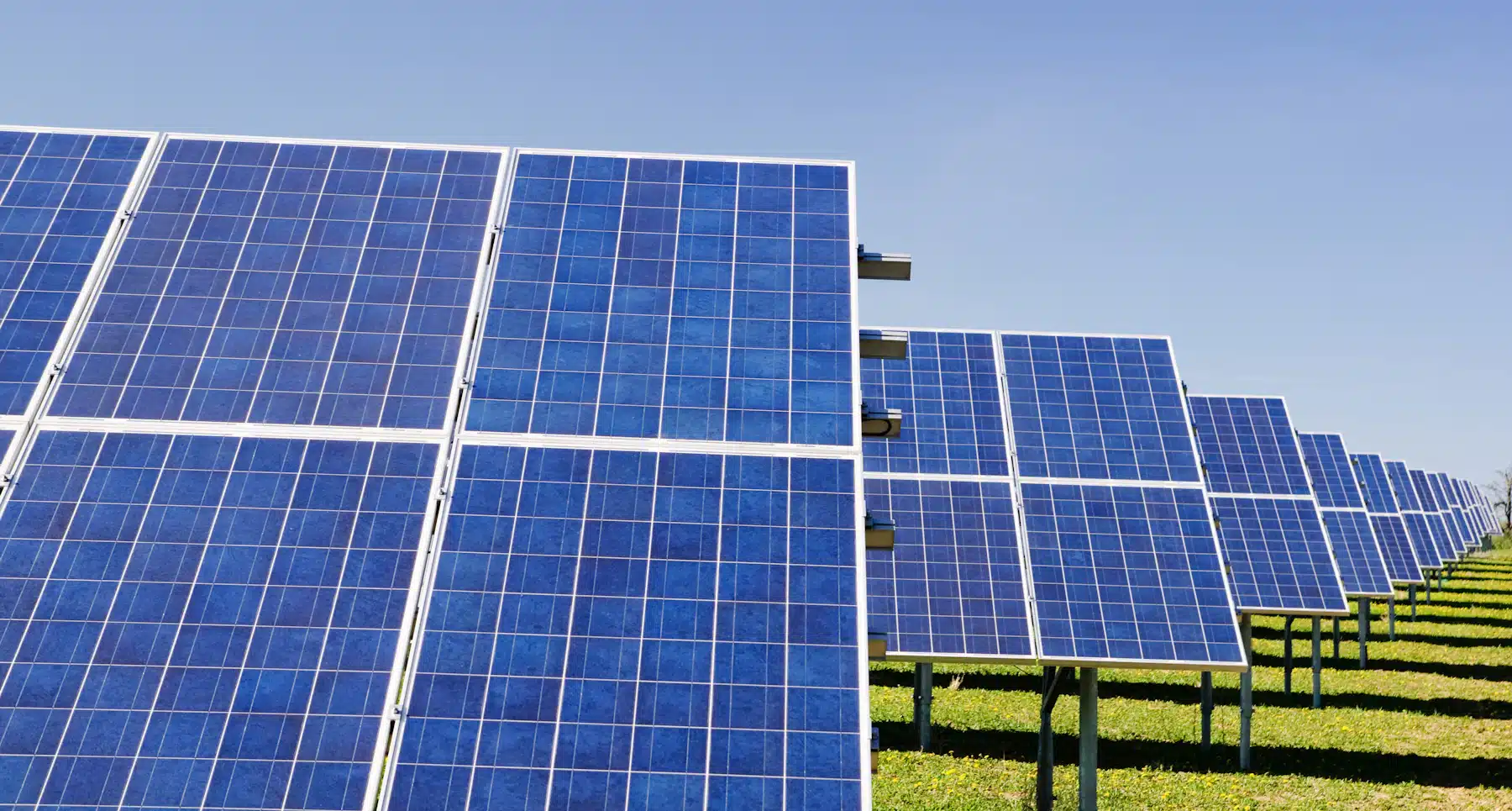
In 2022, the IEA put China’s share of every stage of solar panel manufacturing above 80%. The draft covers the most advanced of those processes. Proposed bans cover perovskite-silicon tandem cells with efficiency of 30% or more, wafers 70 micrometres thick or thinner, and large fluidised-bed polysilicon lines. Advanced TOPCon, heterojunction and back-contact cell processes would need a licence. So would polysilicon plants producing 30,000 tonnes a year or more, pv magazine’s reading of the annex shows.
The controls apply to know-how and equipment designs. Finished cells and modules aren’t directly affected. The pressure falls on countries building their own factories with Chinese processes or Chinese partners.
Chinese officials had discussed limits with manufacturers before the draft, raising concerns over solar expansion plans at US companies including Tesla. Beijing has also tightened Indian access to its solar manufacturing technology as India tries to cut its reliance on Chinese suppliers.
The commerce ministry said photovoltaic technologies are increasingly used in sensitive sectors, including aerospace and national defence. Some of the heterojunction thresholds are measured under the light conditions found in space. The ministry also said the measures “do not target any particular country, region or company”.
The thresholds for AI
For AI, the draft would ban exports of core technology for large models trained on key sensitive national data. Agents built for defence, critical infrastructure and core government functions would also be banned. Design methods for 2.5D and 3D AI chips would need a licence. Models with 2 trillion parameters or more could face restrictions too.
Technology already released as open source or in academic papers falls outside the export controls. Overseas users would still reach Chinese models through apps, websites and APIs. The ministry said the rules aim to ensure “that AI remains under human control”.
It’s the second draft this month in which Beijing has set rules for automated systems. On 8 October, its labour ministry published proposed rules that would bar platforms from making major decisions about gig workers by algorithm alone.
What would test the shift
The first test comes after 15 November, when the final list fixes which processes are banned outright and where the thresholds sit. After that, licence decisions on transfers to factories in India and the US will show how tightly Beijing applies it.
Subscribe
Sign-up to receive our newsletter