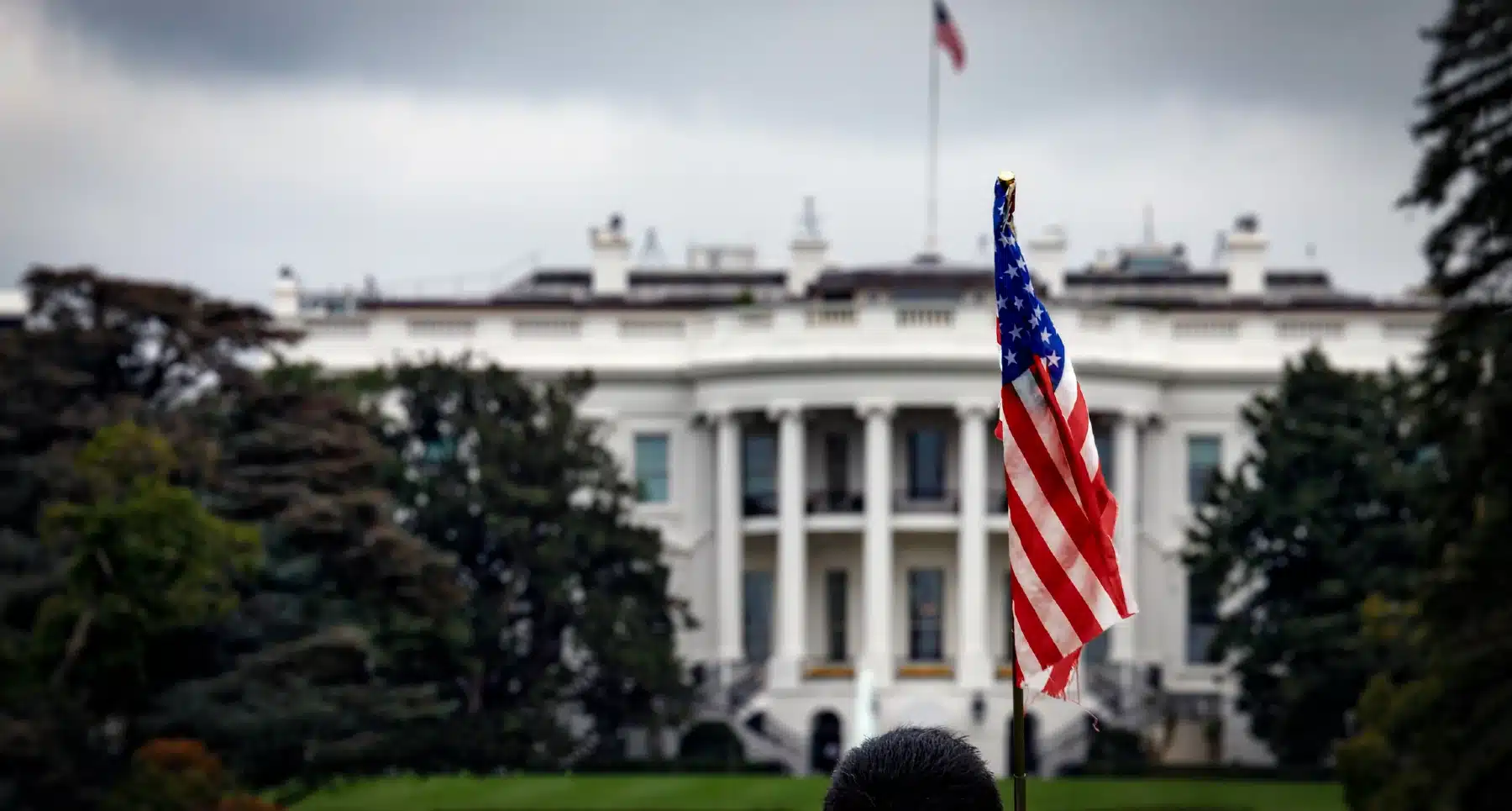
A federal judge ordered the White House on 24 September to restore press passes for CNN, MS NOW and Politico. Days earlier, the ban left Trump speaking at his own event with no microphone to carry his words.
A federal judge has ordered the White House to give three banned news outlets their press passes back. Judge Timothy Kelly issued the temporary restraining order just after midnight on 24 September. It covers the “hard pass” credentials held by staff at CNN, MS NOW and Politico, and it lasts 14 days.
Donald Trump announced the ban on Friday 18 September, accusing the outlets of “fake news”. In court, the Justice Department went further. It argued that their reporting, including CNN’s coverage of a White House bunker, had put national security at risk. Kelly found nothing in the record to show that revoking the passes “will in fact protect national security”.
The system at stake is the rule for who gets near the president. A 1977 appeals court ruling, Sherrill v Knight, held that a White House press pass can’t be withdrawn arbitrarily. The administration wants that precedent overturned. Kelly applied it instead, writing that “a duly issued hard pass may not be suspended without due process.”
A president without a microphone
The ban soon reached the president’s own coverage. CNN was due to run the television pool on Monday 21 September. Five networks share that job: ABC, CBS, CNN, Fox News and NBC. They take turns filming the president and pass the feed to every other outlet. The other four refused to replace CNN, and the pool suspended coverage.
That afternoon, Trump cut the ribbon on a new White House helipad. With no pool crew, there were no pool microphones. Footage aired by Newsmax showed him speaking while Marine One drowned him out. “There’s no microphone because the pool cameras aren’t there,” a Newsmax presenter told viewers.
Video: USA TODAY
The White House’s own video carried no usable audio of his remarks. C-SPAN, which relies on the pool feed, didn’t air the event. The White House, meanwhile, promoted its own app for streaming the president’s events.
Why the pool reaches beyond Washington
The pool exists because most rooms around a president are too small for the whole press corps. Air Force One has just 13 press seats. Pool reporters share transcripts, audio and footage with outlets that can’t send staff. Those include smaller newsrooms, streaming services and foreign broadcasters. The helipad episode showed what they get without it: government video, or silence.
This administration has been reshaping that system for 18 months. In February 2025, press secretary Karoline Leavitt said the White House, rather than the correspondents’ association, would choose the pool. The Associated Press had already been shut out for refusing to use “Gulf of America”. In June 2025, a divided appeals court let those limits stand while the case continued.
That ruling treated the pool as the president’s choice of company in small spaces. The new case concerns something older and wider. A hard pass lets a reporter into the building every day, whether or not the president wants to talk to them.
What would test the order
The order is narrow. It rests on due process alone, and Kelly hasn’t ruled on the outlets’ claim that they were punished for their reporting. Its orders apply to every defendant “except for President Trump”.
Kelly has been here before. In November 2018, he restored CNN reporter Jim Acosta’s hard pass on similar grounds. The White House answered with new rules of conduct for reporters. A repeat is possible. The administration could give notice, hold a hearing and try the ban again.
The order runs out after 14 days unless Kelly extends it. A fair process or a fresh ban from the White House will show how much the 1977 rule still protects.
Subscribe
Sign-up to receive our newsletter