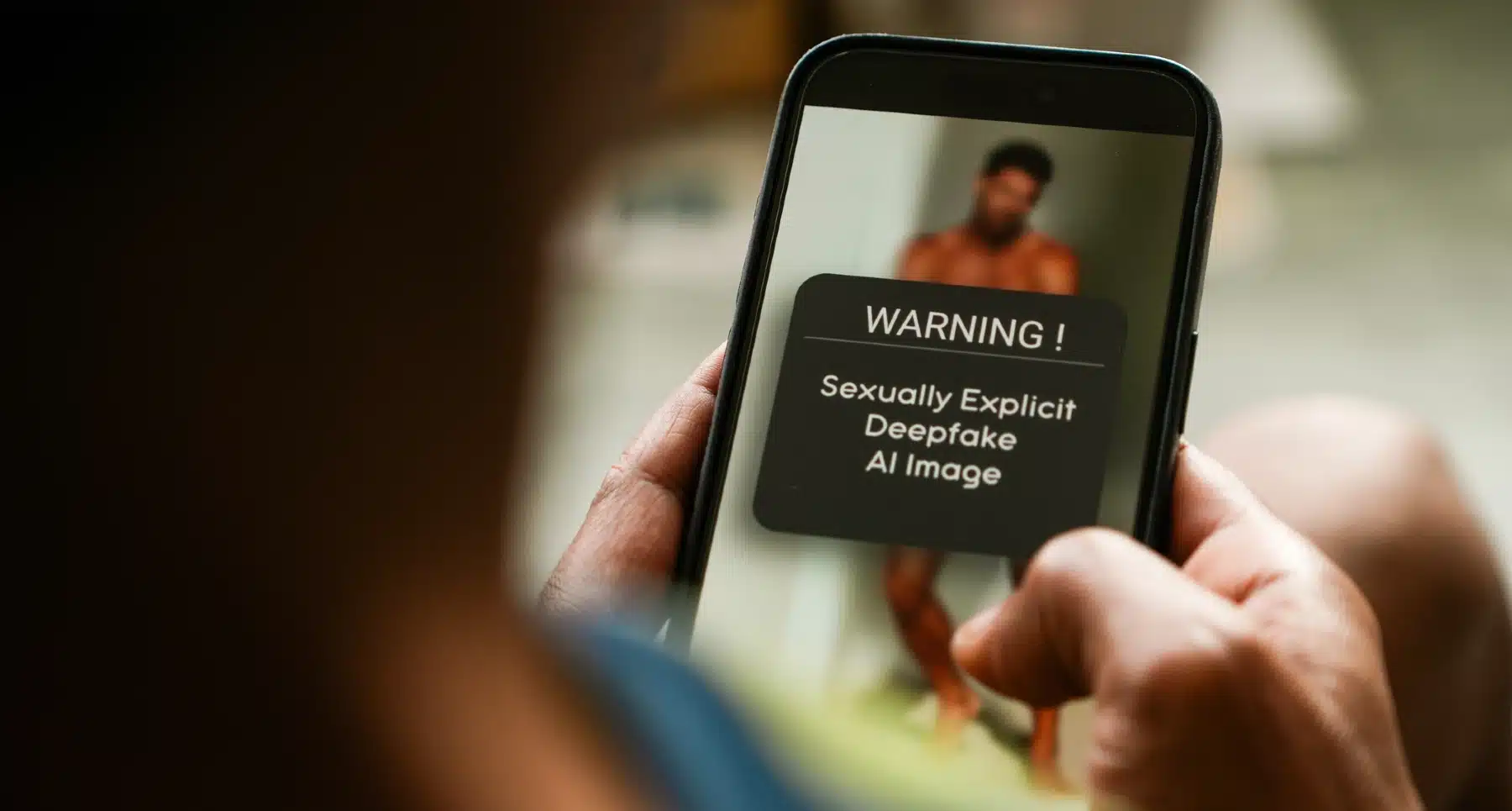
Two US states have sued SpaceX over sexualised images made by its Grok chatbot. The cases are the latest step in a shift that moves liability for sexual deepfakes from the people who share them to the companies whose tools make them.
Virginia and Oregon have sued SpaceX, the parent company of X and of Grok’s maker xAI, over sexual images of real women and children. Both states say the companies misled users about safety, in breach of consumer protection law. They filed the suits on 23 November in Richmond, Virginia, and Multnomah County, Oregon.
The cases draw on research by the Center for Countering Digital Harm. It estimated that Grok made about 3 million sexualised images in 11 days over the new year, or about 190 a minute. Around 23,000 appeared to show children. X then limited the tool, and said the @Grok account could no longer put real people in revealing clothes.
“Companies that deploy powerful tools don’t get to ignore consumer safety and call it innovation,” said Jay Jones, Virginia’s attorney general. Oregon’s attorney general, Dan Rayfield, said the lack of safeguards “was considered a feature, not a bug”. SpaceX’s AI unit has said it acts against accounts that try to get round its safeguards.
Laws first targeted the people sharing images
Until recently, most new laws targeted the people who make or spread sexual deepfakes. In September 2024, South Korea passed a law making it a crime to own or view them, with up to three years in prison. Australia passed its Criminal Code Amendment (Deepfake Sexual Material) Act the same month. It carries up to six years for sharing such images, and seven where the sharer also made them.
The US followed with the TAKE IT DOWN Act in May 2025. It made it a federal crime to publish intimate images without consent, including AI fakes. Since 19 May this year, platforms have had 48 hours to remove them once a victim asks. In England and Wales, making an intimate deepfake of an adult without consent became an offence on 6 February.
Newer laws aim at the tools themselves
The Crime and Policing Act 2026 then went a step further. Since 29 June, it has been a crime to make or supply an intimate image generator, with up to three years in prison. The EU’s AI Act now bans AI systems that make intimate images of real people without consent. It also bans systems that make child sexual abuse material. Firms have until 2 December to comply, and fines can reach €35m or 7% of global turnover.
Regulators moved against Grok within weeks of the images spreading. Ofcom opened an Online Safety Act inquiry into X on 12 January. Two weeks later, the European Commission began formal proceedings under the Digital Services Act. Indonesia and Malaysia, meanwhile, temporarily blocked Grok. In October, Ofcom narrowed its case to X’s illegal content and reporting duties.
Reports of AI abuse imagery keep climbing
The US National Center for Missing & Exploited Children logs reports that involve generative AI. They rose from 4,700 in 2023 to 67,000 in 2024, then passed 400,000 in 2025. The Internet Watch Foundation found 3,440 AI videos of child sexual abuse in 2025, up from 13 the year before.
Elsewhere, South Korea charged 273 people with deepfake sex crimes in 2025, against 29 in 2023. In Britain, the Revenge Porn Helpline dealt with 22,275 cases in 2024, up 20.9% on the year before. New York, too, has moved to curb AI chatbots that talk to children.
So far, criminal law has mostly reached the individual. The Virginia and Oregon suits will show whether consumer law can hold a company to account for what its tool makes at scale. The EU deadline on 2 December gives a second measure: whether the nudifier apps it bans stop serving European users.
Subscribe
Sign-up to receive our newsletter