From February 2027, every new Mastercard in Europe must work without a network connection. Ageing grids, storms and sabotage are pushing central banks and regulators from Stockholm to Kyiv to plan for outages.
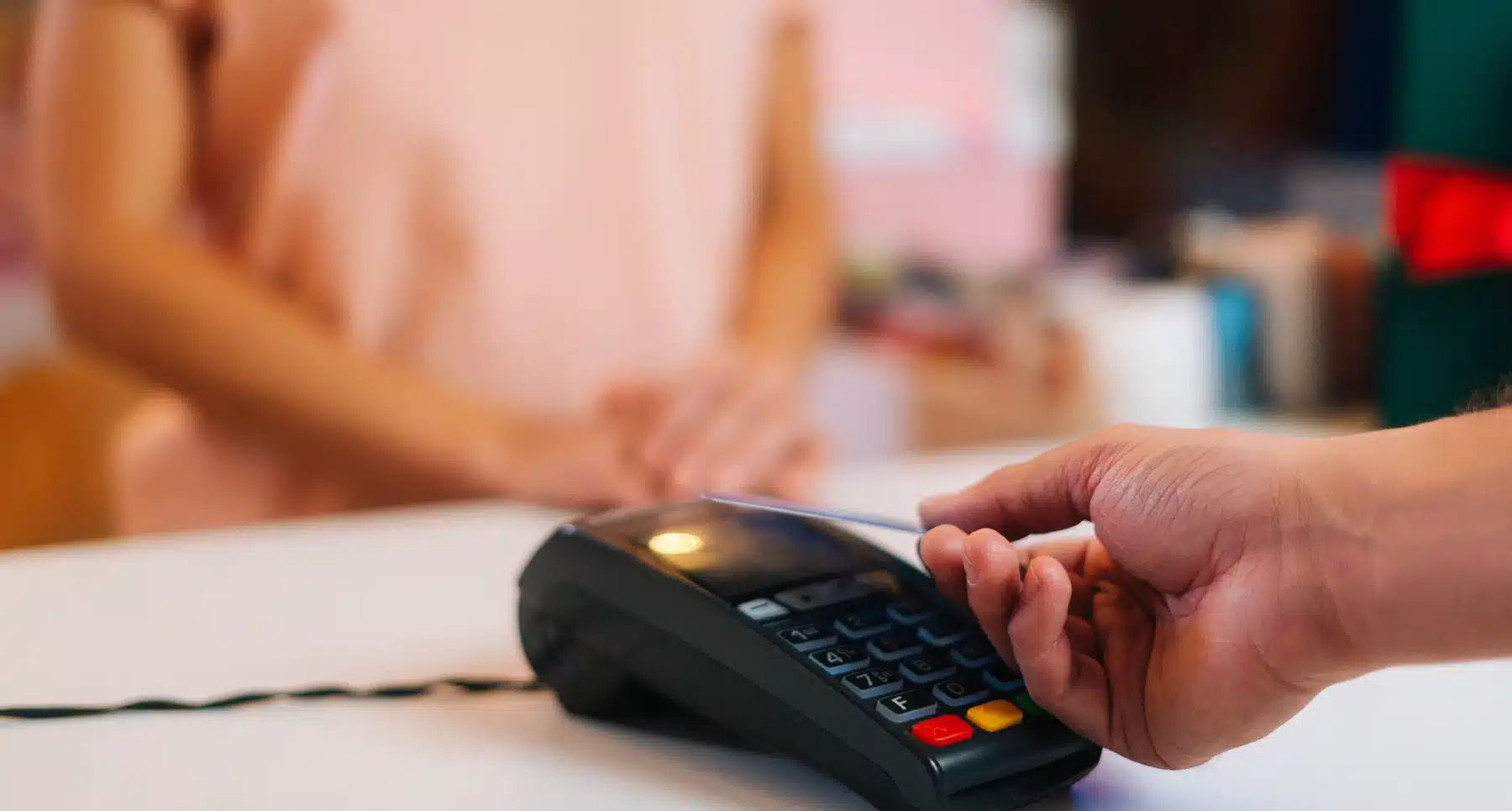
Every Mastercard issued in Europe from February 2027 must be able to pay without a live link to the bank. Mastercard set the rule on 8 October, and new and replacement card terminals must follow from May 2027. Shoppers will use chip and PIN at supermarkets, petrol stations, pharmacies and ticket machines, up to €200 a time. Each payment is settled once the network returns.
On 28 April 2025, a blackout hit Spain and Portugal. In the affected areas, card spending fell by an estimated 41% to 42% that day, according to ECB analysis. Cash machine withdrawals collapsed too. Mastercard says 55 million people were left unable to pay digitally. The same ECB study found that 39% of Spaniards kept cash at home as a precaution.
Mastercard says offline card payments already run in Denmark, Sweden, Estonia and Latvia, and it’s now extending them across Europe. A card payment normally waits for the customer’s bank to approve it in real time. Under the new rules, the chip carries a spending limit set in advance by the bank. That lets the terminal approve the purchase itself. Brice van de Walle is Mastercard’s executive vice president for core payments. “When the power or network goes down, people still need to buy food, fuel and medicine,” he said.
Why the risk is rising
On 20 March 2026, an ENTSO-E expert panel published its final report on the Iberian blackout and found no single cause. It blamed oscillations, gaps in voltage control and a cascade of generators disconnecting in Spain. “The problem is not renewable energy, but voltage control, regardless of the type of generation,” said Damián Cortinas, chair of the ENTSO-E board.
The International Energy Agency lists ageing infrastructure, extreme weather and cyber threats as rising risks to power systems. Its Electricity 2026 report cites Storm Éowyn, which cut power to more than 768,000 customers in Ireland. It also names a substation fire that shut Heathrow and an arson attack in Berlin. Demand is climbing too. The IEA expects global electricity use to grow by 3.6% a year to 2030. Industry, electric cars, air conditioning and data centres lead the rise. Grid spending would need to rise by about 50% from $400 billion a year to keep pace.
On Christmas Day 2024, the Estlink 2 power cable between Finland and Estonia failed, and investigators suspected a dragged anchor. Finnish authorities seized the Eagle S, a tanker they linked to Russia’s shadow fleet. Estonia and Latvia, two of the countries where offline card payments already run, both border Russia.
In April 2026, Riksbank governor Erik Thedéen warned that “digital infrastructure is vulnerable not only to cyber attacks but also to physical attacks”. He said data centres “can become targets”. An offline card keeps working whatever cuts the link to the bank, whether a storm, a hacker or a saboteur. It also gives Sweden a fallback if one of the few international card companies it depends on fails. Thedéen raised that risk in the same speech. In March 2025, the European Commission told member states to help households last at least 72 hours without outside supplies. It named sabotage and cyberattacks among the threats.
Sweden wrote the template
In October 2025, the Riksbank brokered a deal with six card-issuing banks, Visa, Mastercard, card processors and retailers. Ica, Coop and the pharmacy chain Apoteket took part. From 1 July 2026, their cards should work offline for food, pharmacy products and fuel during disruptions of up to seven days. Shops can approve offline purchases of up to at least SEK 2,000 each, and must store the payments for up to a week. Contactless payments are excluded, so customers need their PIN.
The Riksbank also wants households to hold more than one way to pay. Its 2026 Payments Report suggests keeping about SEK 1,000 in cash per adult. Since 1 October 2024, Norwegian customers have had the right to pay cash in shops, cinemas and restaurants. The government said the change would help the roughly 600,000 people who struggle with digital payments.
Ukraine keeps its banks open through blackouts
In late 2022, after Russian strikes on its grid, the National Bank of Ukraine set up a network called Power Banking. Its branches have their own generators, backup communications and extra staff. About 2,400 branches, roughly 55% of the total, can keep serving customers during long outages. The count leaves out branches in occupied and front-line areas.
Regulators move on to the cloud
On 13 July 2026, Britain put four cloud providers under direct financial oversight for the first time. HM Treasury named Amazon Web Services, Google Cloud, Microsoft and Oracle as critical third parties. The Bank of England, the Prudential Regulation Authority and the FCA can now test their resilience and set rules for them. In November 2025, the EU’s three financial supervisors named their own list of critical technology suppliers.
On 27 February 2025, a hardware defect halted T2, the ECB system that settles more than €3 trillion of payments a day. Banks queued their payments for several hours, and the day’s settlement deadlines were pushed back.
Europe wants payment systems of its own
In January 2025, ECB board member Piero Cipollone said 13 of the 20 euro area countries had no national card scheme. They rely on international networks instead. De Nederlandsche Bank’s strategy for 2026 to 2028 makes resilience and autonomy its first priority, with less reliance on providers outside Europe. Meanwhile, the bank-backed Wero wallet has about 50 million users. In June, MEPs on the economic affairs committee backed the digital euro. It includes an offline version that moves money from phone to phone without an internet connection.
The next outage will test all of this. By May 2027, newly issued Mastercards and new terminals across Europe should both work offline. Older cards and tills will take longer to replace. If the lights go out in Madrid or Lisbon again, shops with new terminals should still take a card. Households with a little cash in a drawer won’t need them.
Subscribe
Sign-up to receive our newsletter